
Article: Bio-Retinol Skincare: A Gentler Alternative to Retinol
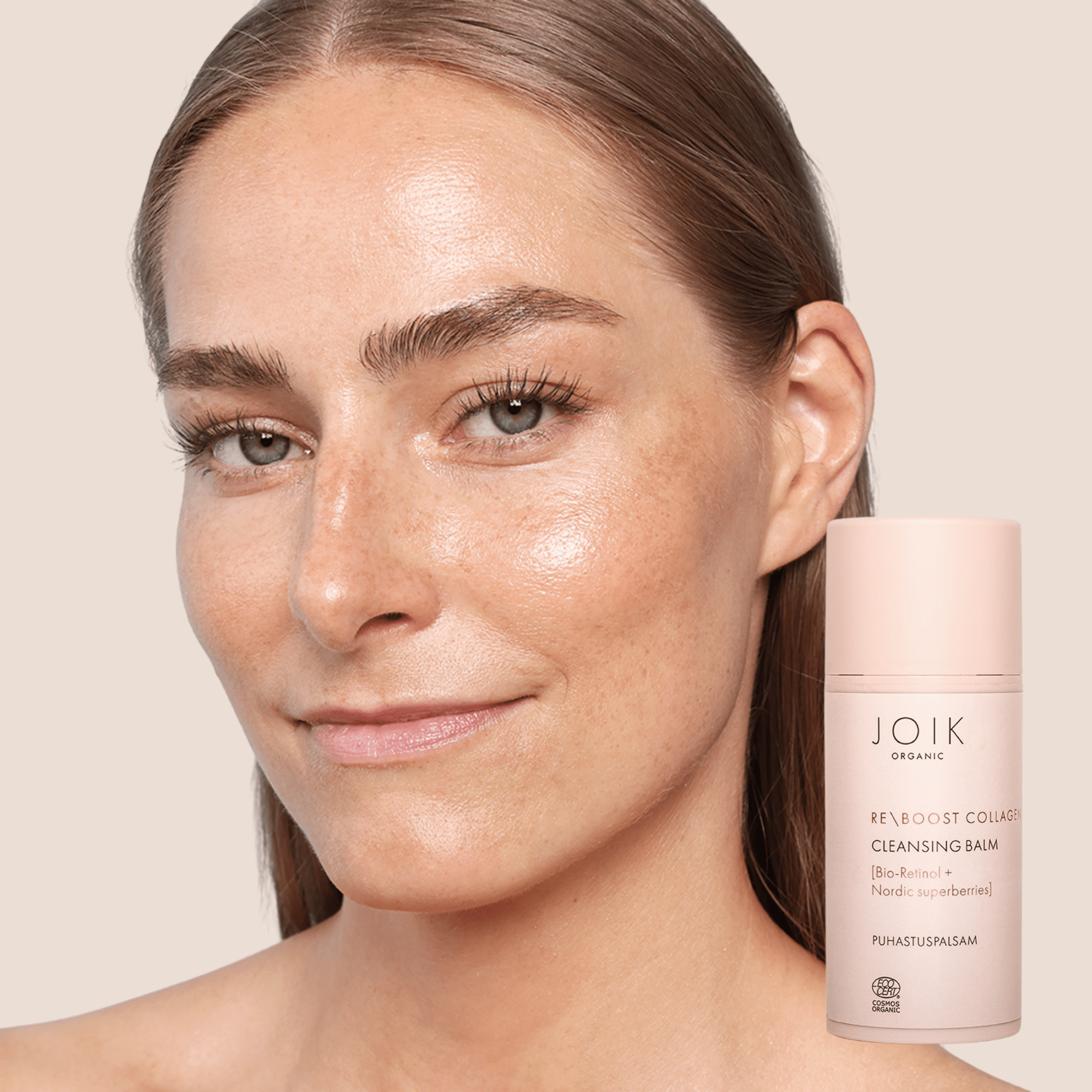
Bio-Retinol Skincare: A Gentler Alternative to Retinol
Retinol has long been considered the gold standard in collagen-focused skincare, known for improving texture and encouraging a more refined-looking complexion. But not every skin can tolerate it. Redness, peeling, sensitivity, and barrier stress are common reasons people stop using retinol or never start it at all. Bio-retinol skincare is changing that conversation with a plant-based approach that works with skin instead of against it.
What Is Bio-Retinol?
Bio-retinol is a plant-based alternative to traditional retinol. Where retinol relies on a strong conversion process in the skin, one that can trigger irritation when the barrier is already compromised, bio-retinol works more like a supportive signal. It encourages smoother-looking skin and helps improve the appearance of firmness and elasticity, without the aggressive adjustment period traditional retinol can create.
How Bio-Retinol Skincare Differs From Retinol
The two ingredients aim for similar results, smoother, more even-looking skin, but they get there differently:
- Retinol is a vitamin A derivative that converts in the skin and can be strong or irritating for some users
- Bio-retinol uses plant-based actives that tend to be more skin-friendly and easier to tolerate daily
- Retinol often requires a slow, careful introduction; bio-retinol skincare is generally better suited to consistent, everyday use
Gentle Doesn't Mean Weak
There's a common misconception that stronger always means better in skincare. In practice, skin doesn't respond best to intensity. It responds best to balance. A formula that skin can actually tolerate daily will outperform a powerful ingredient that only gets used once a week before being abandoned.
Bio-retinol skincare reflects a broader shift in thinking: instead of pushing skin harder, the goal is supporting it smarter. That shows up as smoother-looking skin over time, improved comfort, and routines people can actually stick with. Bio-retinol isn't a replacement for retinol so much as an alternative path for skin that needs something gentler. Skincare only works if it gets used every day.
Bringing Bio-Retinol Into a Routine
Bio-retinol skincare fits easily alongside hydrating and barrier-supporting ingredients, and pairs well with a simple, consistent routine rather than a complicated one. For skin that hasn't tolerated retinol well in the past, it offers a way back into collagen-focused care without the redness and peeling that often come with it.

Explore JOIK's Skincare collection for certified organic formulas built around comfort and daily consistency.
FAQ
What is bio-retinol?
Bio-retinol is a plant-based alternative to traditional retinol, formulated to support smoother-looking, firmer skin without the irritation retinol can cause.
Is bio-retinol the same as retinol?
No. Both are used in skincare for similar goals, smoother, more even-looking skin, but they work differently. Retinol is a vitamin A derivative that can be strong and sometimes irritating. Bio-retinol works through plant-based actives that are typically more skin-friendly.
Can bio-retinol irritate skin?
Bio-retinol is generally considered more suitable for sensitive skin than traditional retinol. Every skin is different, so it's best to introduce any new ingredient gradually.
Is bio-retinol suitable for sensitive skin?
Yes. It's often chosen by people who find retinol too strong, and it's designed to be comfortable enough for regular, long-term use in everyday routines.
Does gentler skincare mean weaker results?
No. Gentler skincare often means better consistency, and consistency is what drives visible results over time.
When should bio-retinol be used, morning or night?
Most bio-retinol products are typically used in the evening as part of a nighttime routine, but it's best to follow the instructions on the specific product being used.
Can bio-retinol be combined with other skincare ingredients?
Yes, in most cases it can be paired with hydrating and barrier-supporting ingredients. When using active ingredients like acids, it's best to layer carefully or alternate use.